Coming in Spring 2026!
Free short courses start now
How do you know that a change is an improvement?
Start building your skills for improvement today!
Get access to more courses as soon as they are launched.
Why should I take Emma Levy Learning courses?

These courses are designed for everyone who aspires to improve one or more of the following, for themselves, for family members or for clients:
- General wellbeing
- Fitness or sports performance (recreational or competitive)
- Nervous system re-education: for movement, cognitive abilities, self-regulation, or social skills
You will learn to build real knowledge about the best ways to achieve your goals, with the confidence to make better decisions about your chosen activities based on simple techniques for data analysis.
What will I learn?
Emma Levy Learning courses help you build a solid,
hands-on foundation for dealing with everyday, real-world challenges as you
work toward your goals.
Forget
memorizing facts. You will learn the key
scientific principles and practical techniques you need to succeed in anything
you do. It’s all about using a
straightforward, step-by-step approach to plan, track your progress, and make the best decisions based on the most useful data.
The skills you pick up here might just open up surprising and exciting
new paths, helping you rethink tough problems from day to day on your way to
achieving your goals.

You will keep your activities
on track towards your goal by formulating a specific aim statement to guide
your progress.
You
will invest your energies in activities that have the biggest likelihood of driving
you towards achieving your aim.
You
will accelerate progress towards achieving your aim by making the right choice
of multiple changes to work on at the same time.
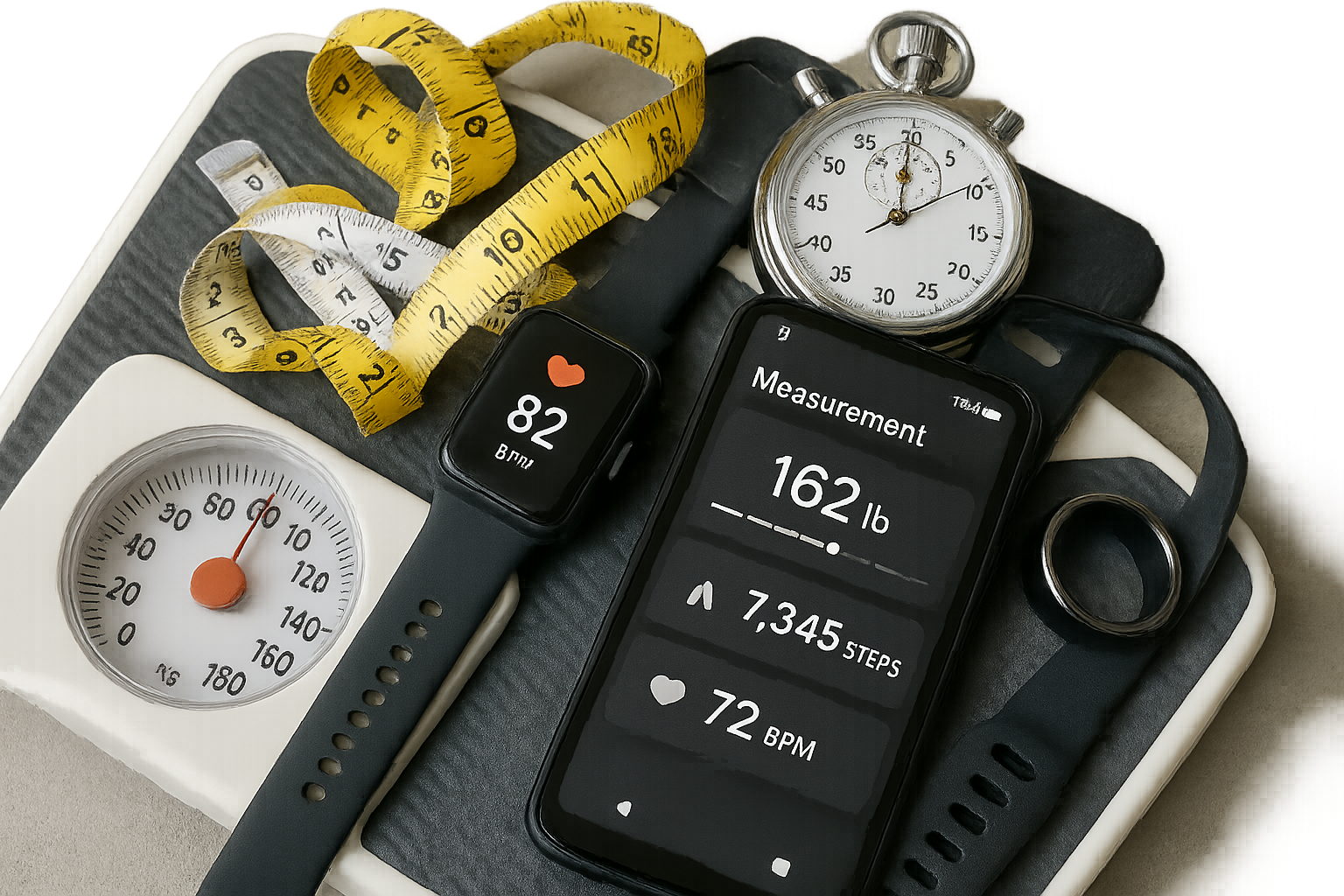
You will choose measures for
your activities that make data collection easy, so you can focus on what is
important, and not waste time collecting or analysing data that isn’t relevant
for you.
You will use data only where
it is helpful, and not become a data factory.
You will make the best use of both qualitative and quantitative data.
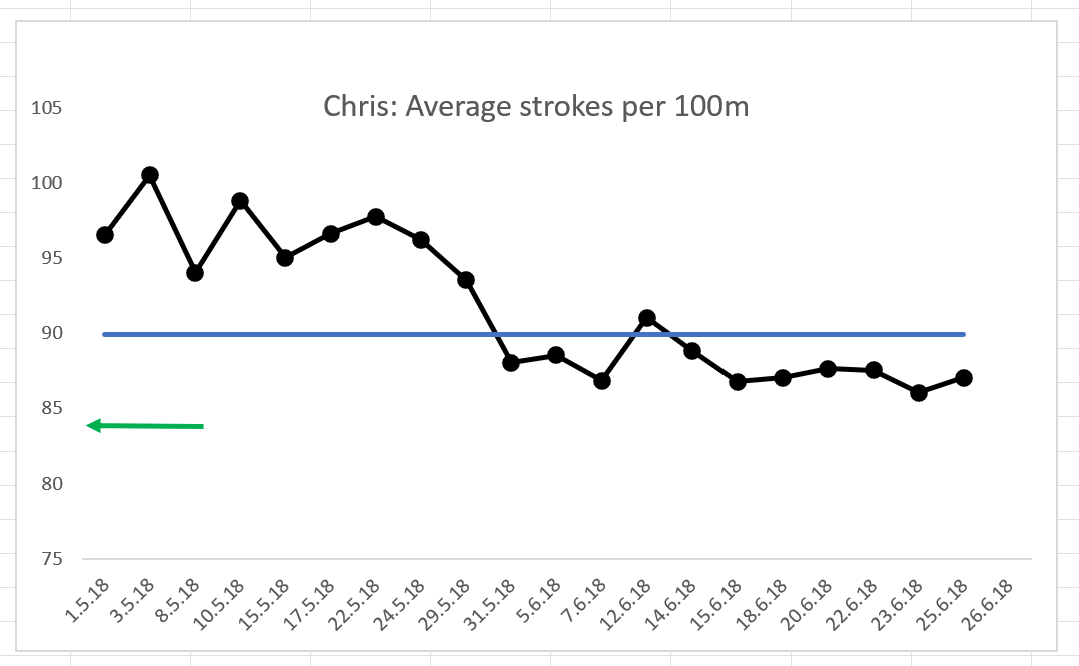
You will make better decisions
on whether to continue, adapt, or abandon processes that you have been trying
out by applying 4 simple rules
to understand your data.
You will make continuous
progress towards achieving your goals by recognising signals of 2 types of
variation in your data.
You
will create and analyse simple charts and use them to explain outcomes of the
changes that you’ve made to other people.

You will use rapid cycle techniques,
including asking useful questions and making predictions, so that you can make
quick decisions with confidence.
You will sustain and
strengthen your motivation to pursue your chosen goals by building confidence in
the effectiveness of your data analysis and the decision making that follows
from that.
Follow your preferred learning style
All courses include case studies and examples, with interactive guidance and exercises to:
- check your understanding
- practise using the tools introduced
- apply your learning to your own chosen activities.
Comprehensive courses
Short courses within a learning programme